 ENG
 RUS



@NewsletterCategoriesInterview
Maurice Daniels, Area Manager at CPM Europe B.V.

The Russian government is introduced a State plan of the bioenergy sector development

Mr. Matti Lehmus, Executive Vice President, Oil Products and Renewables, Neste Oil, Finland: “Biofuel is the aviation future”
DocumentsStandardsQuotations |
St. Petersburg announces the start of full-scale pellet exports to China in November 2026To have access to all news, please, register.
21 October 2026, 15:44
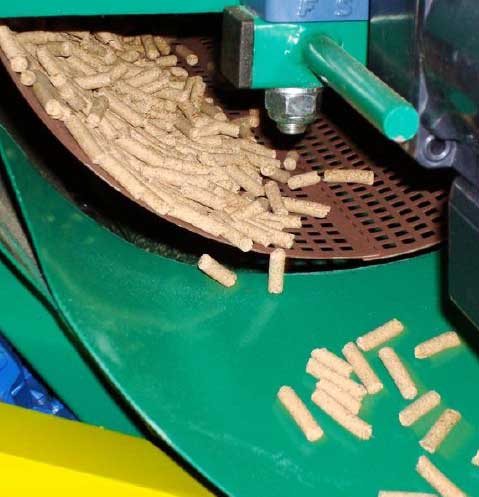
A regular meeting of the heads of government of Russia and China was held in St. Petersburg, where fuel pellet supplies were discussed. Specific dates for the start of supplies were named, but no details were provided on the cooperation mechanism. Earlier, as IAA “INFOBIO” reported, there were plans to reclassify pellets from “wood waste” to “alternative fuel.” This would make it possible to circumvent the Chinese law banning pellet imports into the PRC.
Read also
 .jpg)
|
AuthorizationNoveltyINFOBIO digestContactsE-mail: info@infobio.ru
Advertisement
КОНГРЕСС ЭНЕРГИЯ ИЗ БИОМАССЫ 2018 |
 On October 21, Russian-Chinese negotiations were held in St. Petersburg, and the 31st regular meeting of the heads of government of Russia and China took place. Following the event, Mikhail Mishustin and Li Qiang signed a joint communiqué, the Russian Cabinet of Ministers reports.
(1).jpg)









Copyright © 2010 The news agency INFOBIO and The International Bioenergy. Russia magazine. All rights reserved.


Please send your questions and comments to info@infobio.ru.Detailes of copyright protection and placement of advertisements info@infobio.ru. The active link to www.infobio.ru is required.
© 2010 Разработка сайта
