 ENG
ENG RUS
RUS


We live in turbulent times, full of challenges and opportunities. A devaluating ruble means good business for exporting wood pellet producers who invested in their equipment at better valuta rates. This counts for the Siberian producers focused at China/ Japan/ Korea, or for those focused at the EU from western Russia.
Read more
@NewsletterCategoriesInterview
Maurice Daniels, Area Manager at CPM Europe B.V.

The Russian government is introduced a State plan of the bioenergy sector development

Mr. Matti Lehmus, Executive Vice President, Oil Products and Renewables, Neste Oil, Finland: “Biofuel is the aviation future”
DocumentsStandardsQuotations |
News / Liquid biofuel
07 December 2020, 01:32
KPA Unicon delivers biomass boiler plant to Russia: Unicon Biograte steam boiler plant for Sokol Timber Company, city of Sokol in Vologda region.
Read more
07 February 2017, 00:11
Maguin Promill and Promill Stolz become one company
Read more
12 January 2016, 13:56
KPA Unicon to supply a biomass-fired boiler plant to Stora Enso sawmill in Sweden
Read more
28 November 2014, 02:11
The new support scheme for domestic forest chips and peat is introduced in Finland
Read more
23 August 2014, 11:05
First international standards in solid biofuels published
Read more
Analytics and publications / Liquid biofuel 
Lufthansa became the first airline to use biofuels on regular commercial flights on 15th of July in a six month trial that it estimates will reduce CO2 emissions by up to 1,500 tonnes during the period. Lufthansa is using a mix of regular fuel and biofuel made by Neste Oil from jatropha and camelina crops and animal fats, in one engine of an Airbus plane on daily flights between Frankfurt and Hamburg. The magazine “The Bioenergy Interntional.Russia” and the information agency “INFOBIO” asked about new biofuel from its producer Neste Oil, Finland. Mr. Matti Lehmus, Executive Vice President, Oil Products and Renewables, Neste Oil gave the following answers.
Read more
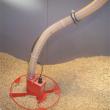
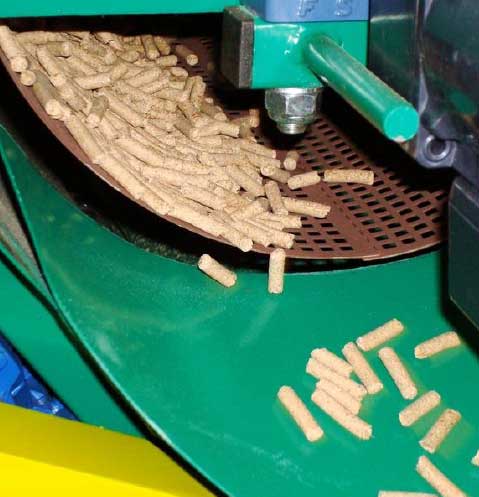
The biofuel production and the domestic Russian market are developing. The last 2010 was both successful and unlucky year for the young biofuel Russian industry. While speaking about figures and biofuel branch by itself it is necessary to stress that according to different statistics the pellet production is increased in Russia in 2010 compare to 2009.
Read more

The European gasoline market has quite changed over the past years, which is first of all connected with the structure of automobile transportation, i.e. “Europe’s dieselization”, as over 60% of automobiles in Europe consume diesel. Another reason is diesel’s better ecological and economical indicators.
Read more
  03elbavpqc8-1hmk1lrcr
.jpg) .jpg) (1).jpg)
|
AuthorizationNoveltyINFOBIO digestContactsE-mail: info@infobio.ru
Advertisement
КОНГРЕСС ЭНЕРГИЯ ИЗ БИОМАССЫ 2018 |



.jpg)









Copyright © 2010 The news agency INFOBIO and The International Bioenergy. Russia magazine. All rights reserved.
.jpg)

Please send your questions and comments to info@infobio.ru.Detailes of copyright protection and placement of advertisements info@infobio.ru. The active link to www.infobio.ru is required.
© 2010 Разработка сайта
